Modern yachts and commercial vessels rely on stable electrical power to operate safely and efficiently.
Navigation systems, communication equipment, battery chargers, climate control, refrigeration, and lighting all depend on consistent voltage and clean power. When electrical supply is unstable or poorly regulated, these critical systems become vulnerable to failure.
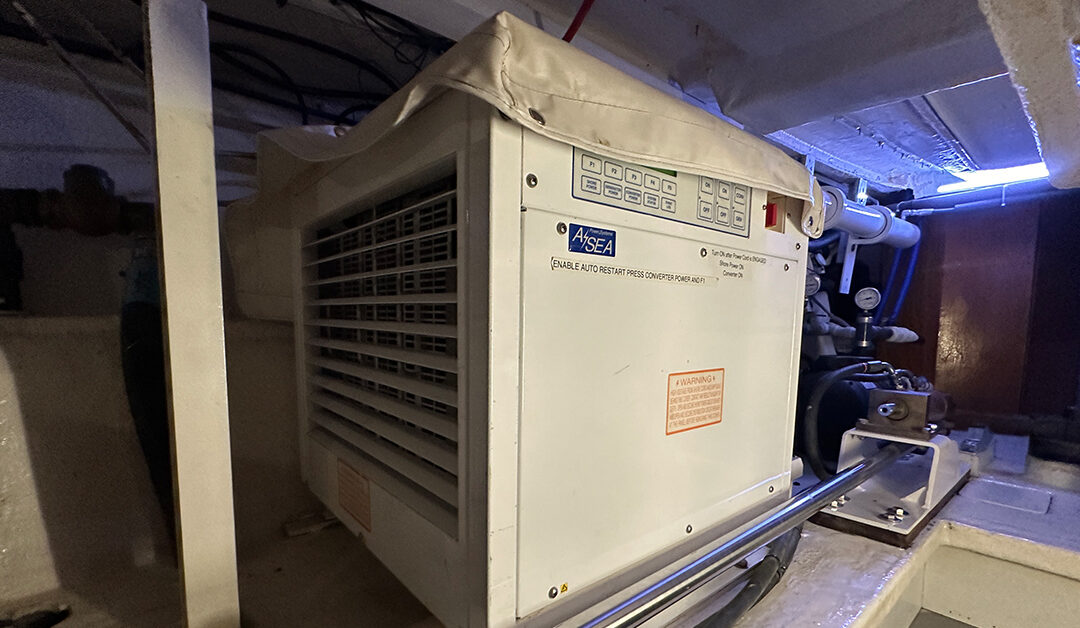
Marine power transformers and power conditioners play a central role in protecting onboard electrical systems. They act as the interface between unpredictable shore power and the controlled environment required by a vessel’s equipment.
For boat owners in San Diego and other high traffic ports, understanding how these systems work and why they matter can help prevent costly damage, improve energy efficiency, and increase overall system reliability.
What Marine Power Transformers and Power Conditioners Do
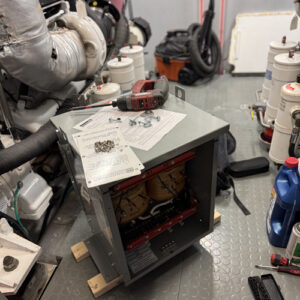 A marine power transformer adjusts incoming shore power so it matches the voltage and electrical characteristics required by the vessel. This ensures that onboard systems receive power within safe operating limits.
A power conditioner adds an additional layer of protection. In addition to voltage adjustment, it regulates power quality by filtering electrical noise, smoothing fluctuations, and helping maintain consistent output even when the incoming supply is unstable.
In practical terms, these systems protect a vessel’s electrical infrastructure from poor dock power and provide a steady electrical foundation for all onboard systems.
Transformer vs Power Conditioner
While the terms are often used together, transformers and power conditioners serve different primary roles.
A transformer focuses on voltage conversion and isolation. It ensures the vessel receives power at the correct voltage level and helps separate onboard systems from shore based electrical irregularities.
A power conditioner focuses on power quality. It stabilizes voltage, filters electrical noise, and protects against fluctuations that can damage sensitive equipment.
Many modern marine systems combine both functions into a single integrated unit, providing voltage conversion and power conditioning in one system.
Why Shore Power Is Often Unreliable
Shore power quality varies significantly from marina to marina and even from dock to dock. Voltage fluctuations are common and may be caused by:
- High electrical demand from nearby vessels
- Aging or undersized marina infrastructure
- Weather related power instability
- Inconsistent or poorly maintained dock wiring
These variations may go unnoticed until equipment begins to malfunction. Without proper conditioning, unstable power can stress electrical components, reduce system efficiency, and shorten the lifespan of sensitive electronics.
Benefits for Home Port Operations in San Diego
At a home marina, a properly functioning transformer or power conditioner provides several practical benefits:
- Reduced wear on electrical components
- Improved performance of air conditioning and refrigeration systems
- Fewer nuisance breaker trips
- Protection for navigation electronics and battery chargers
These benefits are especially important in busy coastal regions like San Diego, where marinas often operate near capacity and power loads change constantly throughout the day.
Related Article: Owning a boat is a rewarding experience, but it comes with its share of challenges. One common issue that many boat owners face is the tripping of onboard breakers. If you’ve ever found yourself wondering why your breaker keeps tripping, you’re not alone. In this article, we’ll explore the most common causes behind this issue and provide practical solutions to help you enjoy a smoother sailing experience. Read Full Article
Common Signs of Power Quality Issues
Vessels experiencing power instability may show warning signs such as:
- Lights dimming or flickering
- Air conditioning units cycling on and off
- Sensitive electronics rebooting unexpectedly
- Battery chargers overheating
- Breakers tripping without obvious cause
These symptoms often indicate underlying voltage or power quality problems that should be evaluated before more serious damage occurs.
Power Conversion for International Travel
For vessels traveling internationally, power transformers become essential equipment. Electrical standards vary widely across regions, including differences in voltage levels, frequency, and grounding systems.
Connecting directly to foreign shore power without proper conversion can cause immediate and severe damage to onboard systems.
Advanced marine transformer systems allow yachts and commercial vessels to:
- Safely connect to international shore power
- Automatically adjust voltage and frequency
- Maintain consistent onboard electrical performance
This capability is critical for long range cruisers, charter yachts, and commercial vessels operating outside United States waters.
Maintenance and Monitoring of Power Systems
Marine power transformers and power conditioners require regular inspection and maintenance to remain safe and effective. Over time, internal components degrade, electrical connections loosen, and heat exposure can reduce performance.
Recommended maintenance practices include:
- Inspecting terminals and electrical connections
- Checking voltage output and load balance
- Monitoring operating temperature
- Having certified technicians replace capacitors according to manufacturer guidelines
Routine monitoring helps identify early signs of wear before they develop into major electrical failures.
Risks of Aging or Inefficient Transformer Systems
Older transformer systems may continue operating while becoming increasingly inefficient. As efficiency declines, the system may draw more power to deliver the same output. A transformer that once operated at 95 percent efficiency may degrade to 50 to 70 percent over time.
This decline can result in:
- Increased energy consumption and operating costs
- Excess heat buildup
- Additional strain on onboard wiring and components
In severe cases, failing transformers can overheat, shut down unexpectedly, or damage other electrical systems.
The Hidden Cost of Poor Power Quality
Electrical issues rarely fail all at once. Instead, they slowly degrade components over time.
Common long term consequences include:
- Premature failure of expensive electronics
- Reduced lifespan of HVAC systems
- Higher energy consumption
- Increased maintenance costs
- Unexpected downtime during critical operations
In many cases, a properly maintained transformer system costs far less than replacing damaged equipment.
Safety and Compliance Considerations
Marine electrical systems must meet strict safety standards such as ABYC and international marine electrical codes.
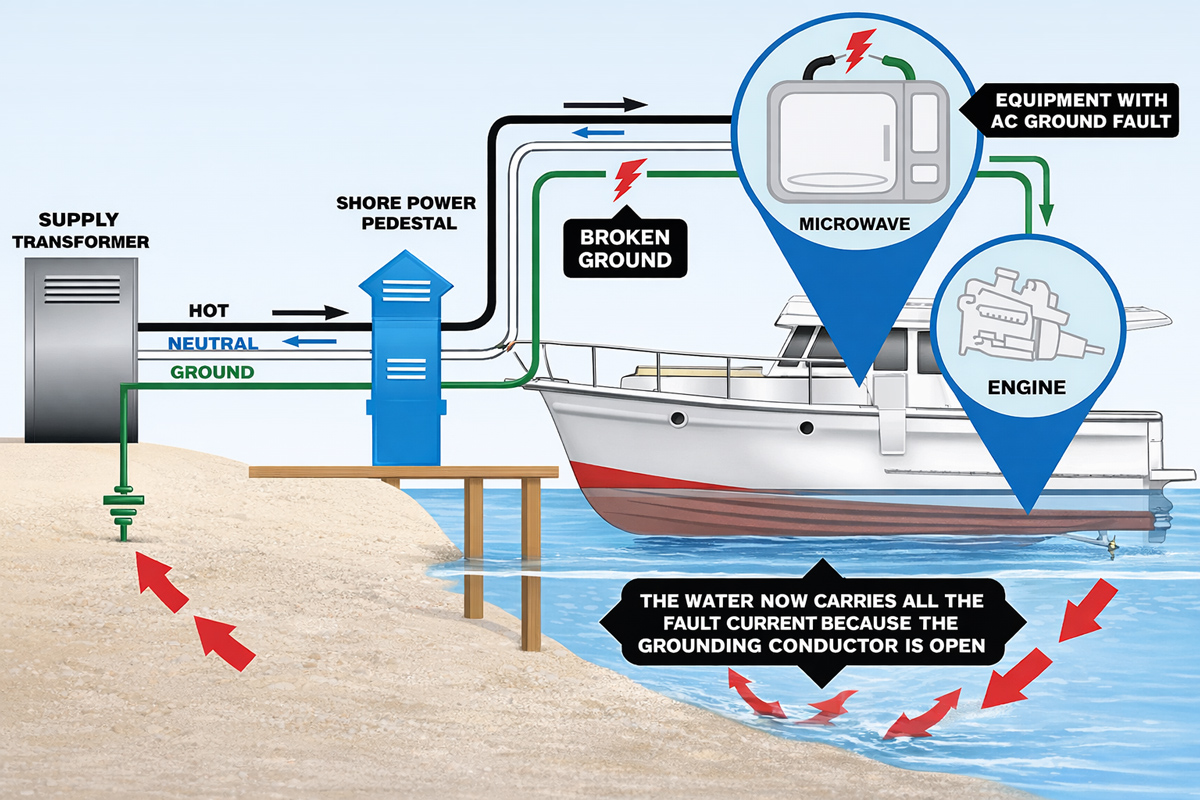
Improper grounding, poor isolation, and unstable voltage can increase the risk of:
- Electrical fires
- Equipment damage
- Crew safety hazards
- Insurance and liability issues
Professional inspection ensures systems are operating within safe limits and meet applicable safety requirements.
The Importance of Marine Electrical Expertise
Marine electrical systems operate in harsh conditions that include salt air, moisture, vibration, and limited ventilation. These factors make proper system design, installation, and maintenance especially critical. A qualified marine electrician with experience in power transformers and conditioning systems can ensure that equipment is operating safely, efficiently, and in compliance with marine electrical standards.
Approach for Long Term Power Reliability
Many yacht owners and captains choose to evaluate their power systems during routine maintenance or before extended voyages. This proactive approach helps identify aging equipment, inefficiencies, and potential safety risks early.
When limitations are found, practical recommendations can be made to manage system capacity and avoid electrical failures during critical operations.
Companies such as Zisser Marine in San Diego regularly assist vessel owners by inspecting, servicing, and upgrading marine power systems to support safe and reliable operation.
Marine Power Transformers and Power Conditioners are Not Optional
Marine power transformers and power conditioners are not optional accessories. They are foundational components that protect onboard electrical systems, improve energy efficiency, and support safe vessel operation both at home port and abroad.
Understanding how these systems work and maintaining them properly can help yacht and ship owners avoid unnecessary electrical issues, reduce long term operating costs, and ensure dependable power in every environment.
Need a Professional Evaluation?
If you operate a yacht or commercial vessel in San Diego and want to ensure your power systems are operating safely and efficiently, a professional evaluation is the smartest first step.
Zisser Marine specializes in marine electrical systems, including power transformers, power conditioners, and onboard power optimization.
Their team can inspect your existing setup, identify inefficiencies or safety risks, and recommend practical solutions tailored to your vessel and usage.
Contact our team today to schedule a marine power system assessment and protect your vessel from costly electrical failures.