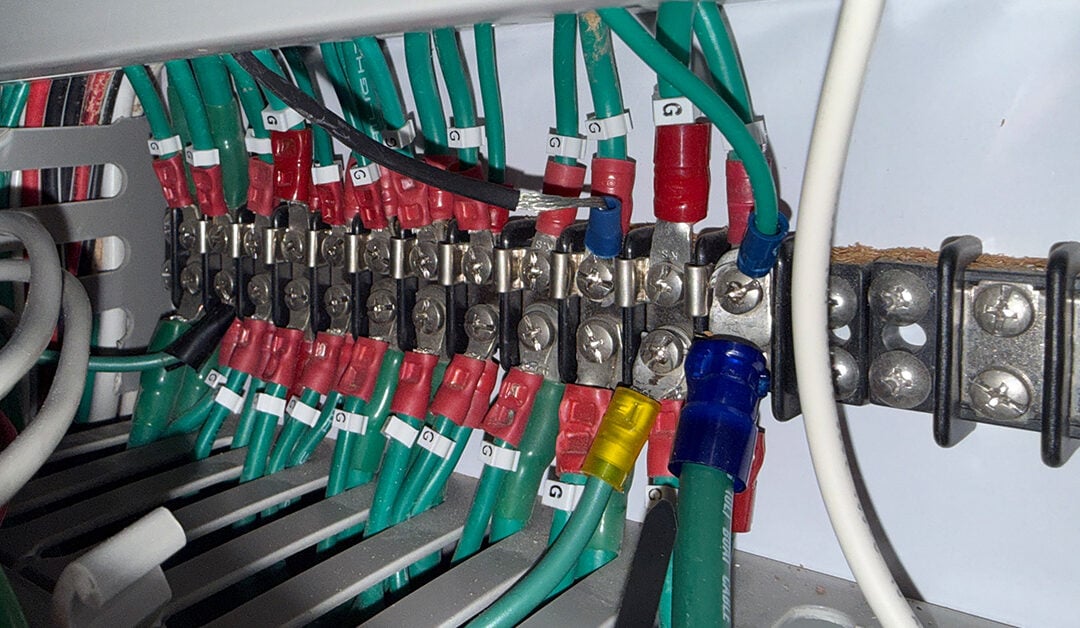
A vessel’s electrical system is more than batteries, chargers, shore power inlets, and distribution panels. One of the most important protective systems onboard is rarely seen during normal operation: the marine bonding system.
On yachts and ships, a properly designed and maintained bonding system helps protect underwater metals, supports corrosion control, and reduces the risk of expensive damage to critical components. In saltwater environments like San Diego Bay, where corrosion can accelerate quickly, bonding system condition is not something owners should ignore.
What Is a Marine Bonding System?
A marine bonding system is an intentional electrical connection between the vessel’s major metallic, non current-carrying components. Its purpose is to keep those components at the same electrical potential.
Depending on the vessel, bonded items may include:
- Through-hulls
- Seacocks
- Rudders
- Shafts and struts
- Trim tabs
- Metal tanks
- Engines and generator components
- Metallic fittings below or near the waterline
This system is not intended to carry normal operating current. Instead, it helps minimize potential differences between metal components that could otherwise contribute to galvanic activity and uneven corrosion.
In practical terms, a bonding system helps all these metallic parts “see” the same electrical environment, rather than allowing one fitting or underwater component to become more vulnerable than another.
Why Marine Bonding Truly Matters
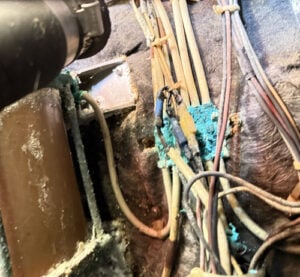 Boats live in an unforgiving electrical and chemical environment. When dissimilar metals are immersed in an electrolyte such as seawater, galvanic corrosion can occur.
If those metals are not properly bonded, differences in electrical potential can increase corrosion risk and cause certain components to deteriorate faster than expected.
A properly functioning bonding system helps:
- Reduce galvanic corrosion between underwater metals
- Support the proper function of sacrificial anodes
- Limit uneven metal loss across bonded fittings
- Improve overall electrical system integrity
- Reduce the likelihood of hidden corrosion-related failures
This matters because corrosion on a boat is not just cosmetic. It can affect shafts, struts, propeller hardware, through-hulls, rudder gear, and other components that are expensive to replace and, in some cases, critical to vessel safety.
What is the Difference Between Bonding vs. Grounding
One of the most common sources of confusion onboard is the difference between bonding and grounding.
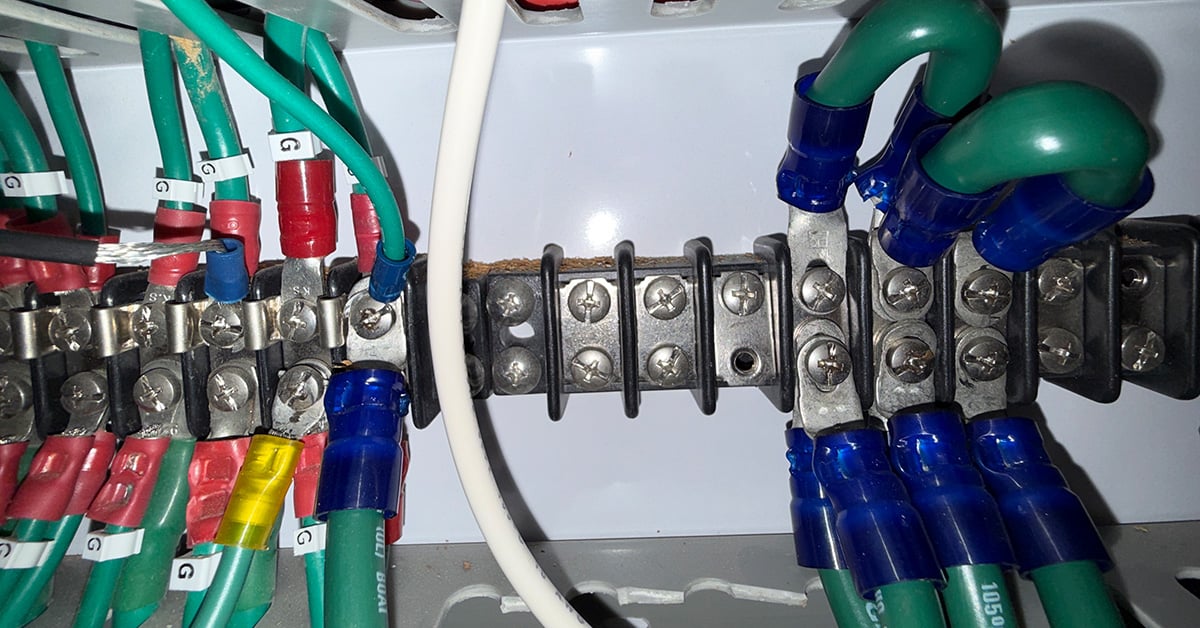
Bonding is primarily about connecting metallic components together so they remain at the same electrical potential. Its role is tied closely to corrosion control and system integrity.
Grounding, depending on whether you are discussing AC or DC systems, relates to fault-current paths and shock protection. It is a different function.
That distinction matters. When bonding conductors, AC safety grounds, and DC negative circuits are modified without a clear understanding of marine electrical design, the result can be unintended current paths, accelerated corrosion, nuisance problems, or reduced system protection.
This is one reason marine electrical work should never be approached like household wiring. What appears to be a simple “tie it all together” solution can create larger problems below the waterline.
How Bonding Supports Corrosion Control
Bonding does not eliminate corrosion by itself. It works as part of a broader corrosion-control strategy that may also include:
- Proper sacrificial anode sizing and placement
- Correct shore power system configuration
- Galvanic isolation where appropriate
- Sound DC and AC system design
- Regular inspection of underwater metals
When the bonding system is intact, sacrificial anodes can usually do their job more effectively. When bonding continuity is broken, one underwater fitting may become isolated from anode protection and corrode faster than expected.
That is often when owners start noticing recurring problems such as unexplained zinc consumption, pitting on underwater fittings, or premature wear on shafts and running gear.
Why Bonding Problems Become More Serious in Marinas
Bonding issues are often more noticeable in busy marinas because vessels share the same water and are exposed to neighboring electrical systems, dock wiring, and shore power infrastructure.
In these environments, boats may be affected by:
- Stray current corrosion
- Faulty shore power connections
- Electrical leakage from nearby vessels
- Improper wiring modifications on adjacent boats
A well-maintained bonding system will not solve every marina-related electrical problem, but it is an important layer of defense. On a vessel kept in a shared saltwater marina, weak bonding integrity can make corrosion problems worse and harder to diagnose.
This is especially relevant in high-density boating areas where vessels remain plugged in for long periods and underwater metals are continuously exposed.
Common Signs of Bonding System Trouble
Because bonding systems are mostly hidden, problems often go unnoticed until corrosion is already underway. Owners, captains, and surveyors should pay attention to warning signs such as:
- Sacrificial anodes wearing out unusually fast
- Corrosion appearing on one fitting much faster than others
- Pitting on shafts, props, struts, or trim tabs
- Green or damaged bonding conductors
- Loose, broken, or missing bonding connections
- New metal components installed without restoring bonding continuity
These are not issues to brush off as “normal boat wear.” In many cases, they point to a system problem that should be tested rather than guessed at.
What Should Be Inspected in System
Bonding systems should be inspected during haul-outs, pre-purchase surveys, refits, and major electrical upgrades. They should also be checked after replacing through-hulls, seacocks, shafts, or other bonded hardware.
A proper inspection may include:
- Verifying continuity between bonded metallic components
- Inspecting bonding conductors for corrosion or physical damage
- Checking terminals, lugs, and connection points
- Reviewing anode condition and wear patterns
- Identifying recent modifications that may have interrupted the bonding network
- Evaluating the vessel for signs of stray current or abnormal corrosion activity
Even small hardware changes can affect bonding continuity. Replacing a fitting without restoring the bonding connection can leave that component electrically isolated and more vulnerable to corrosion.
Risks of an Improper or Outdated Bonding System
When a bonding system is incomplete, deteriorated, or incorrectly modified, the consequences can become expensive very quickly. Corrosion may accelerate on underwater fittings, while sacrificial anodes wear unevenly or need replacement more often than expected.
Over time, this can lead to damage on shafts, struts, propellers, rudder components, and other critical metal hardware, increasing both maintenance demands and haul-out costs. In more serious cases, corrosion can weaken through-hulls or seacocks, raising the risk of water intrusion. On larger vessels, unresolved bonding issues can also affect reliability, survey results, and long-term asset value.
Why Marine Electrical Expertise Matters
Bonding faults are not always obvious, and they cannot be evaluated accurately by visual inspection alone. Proper diagnosis may require continuity testing, corrosion assessment, and a clear understanding of how the vessel’s AC, DC, and bonding systems interact.
That is where experienced marine electrical service matters.
A qualified marine electrician can assess whether the bonding network is intact, identify corrosion risks, and determine whether previous repairs or upgrades have introduced unintended issues. This is particularly important on older yachts, refit projects, and vessels with a history of unexplained zinc loss or underwater metal damage.
A Smarter Approach to Protecting Your Vessel: For many owners, the best time to evaluate bonding is before there is obvious damage. Bonding system inspections are a smart addition during routine haul-outs, survey preparation, electrical upgrades, and corrosion investigations. In coastal markets like San Diego, where saltwater exposure, marina density, and year-round boating all increase corrosion pressure, proactive inspection can help prevent far more expensive repairs later.
Marine electrical specialists such as Zisser Marine assist yacht and vessel owners by evaluating bonding systems, identifying corrosion vulnerabilities, and helping maintain safer, more reliable onboard electrical environments. A marine bonding system is one of the most overlooked protective systems on a yacht or ship, but its role is significant. When properly designed and maintained, it helps control corrosion, supports anode performance, and protects valuable underwater metals from premature damage.
For vessel owners, the takeaway is simple: if your boat has underwater metal, shore power, and time in the water, bonding system condition matters.
Understanding it now is far less expensive than dealing with the consequences later!